 屬靈共同書目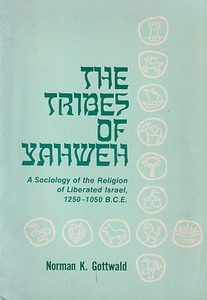
內容簡介
By recovering methods and conclusions of sociology and anthropology, long neglected in biblical studies, the author has been able to formulate alternative testable models of Israelite tribalism viewed as a structural-functional whole.
The result is a model of early Israel as a re-tribalization movement which achieved autonomy within Canaanite society. The distinctive feature of the Israelite counter-society was an egalitarian form of sociopolitical organization and of economic production and consumption chosen by segments of the local populace who overthrew the state order to which they had been subject.
This re-tribalization model for early Israel as a counter-society throws welcome light on the religion of Yahweh as a set of ideological and organizational realities which reinforced the egalitarian social movement. The religion of Israel thereby acquires an intelligibility which comparative religion and biblical theology, overly fascinated with independent "ideas" and "beliefs," have been unable to discern.
Finally, the re-tribalization model points to a cultural material framework, fruitfully employed by anthropologists, as a promising basis for future research strategies into many aspects of early Israelite life which remain dark or enigmatic. Types of cultural material data needed to formulate a dynamic developmental theory of early Israel are noted. The outlines of a cultural material hypothesis are proposed which may help to clarify why Israel and Yahwism emerged when and as they did.
By thus providing both Church and Synagogue with a carefully researched account of the bases of their traditions, The Tribes of Yahweh makes a notable contribution to a theology of liberation to be developed by Jews and Christians alike.
延伸連結
版本資訊
- Norman K. Gottwald・1979-01-01・944 頁ISBN13 9780883444993、STORE 0883444992print HKD 1380