 屬靈共同書目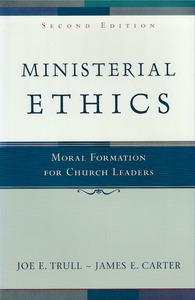
內容簡介
Ministerial Ethics provides both new and experienced pastors with tools for sharpening their personal and professional decision making skills. The authors seek to explain the unique moral role of the minister and the ethical responsibilities of the vocation and to provide "a clear statement of the ethical obligations contemporary clergy should assume in their personal and professional lives." Trull and Carter deal with such areas as family life, confidentiality, truth telling, political involvement, working with committees, and relating to other church staff members. First published in 1993, this edition has been thoroughly updated throughout and contains expanded sections on theological foundations, the role of character, confidentiality, and the timely topic of clergy sexual abuse. Appendices describing various denominational ministerial codes of ethics are included.
Ministerial Ethics seeks to teach students the unique moral role of ministers and the ethical responsibilities clergy should assume in their personal and professional lives. The authors deal with:
Family life
Confidentiality
Truth-telling
Political involvement
Working with committees
Relating to other church staff members
This fully revised and updated edition has expanded sections on:
Theological foundations
The role of character
Confidentiality
Clerical sexual abuse
Key Features of Ministerial Ethics: Moral Formation for Church Leaders
Examines the moral role of ministers and ministerial ethical responsibilities
Discusses a wide variety of topics, including family life, honesty, and politics
Includes lists of suggested reading for further study specific to each chapter's topic
The authors of Ministerial Ethics offer six foundational statements about ethics in ministry, ranging from ethical ideals and goals to the challenges of developing moral character. They assert that ethics can be learned, but require regular examination in the process of becoming a minister and maintaining their standing in their congregations.
Posing questions around the use of positions of knowledge and authority, Trull and Carter discuss ethics from the standpoint of the minister’s personal lifestyle, financial decisions, family commitments, pastoral responsibilities, congregational relationships, community involvement, and much more. A holistic conversation on this subject, Ministerial Ethics also includes a look at codes of ethics and how they can be carefully applied today.
延伸連結
版本資訊
- James E. Carter・2004-03-01・288 頁ISBN10 0801027551、ISBN13 9780801027550、STORE 9780801027550print HKD 300