 屬靈共同書目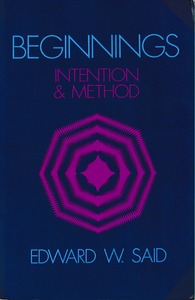
內容簡介
A "beginning," especially as embodied in much modern thought, is its own method, Edward Said argues in this classic treatise on the role of the intellectual and the goal of criticism. Distinguishing between "origin," which is divine, mythical, and privileged, and "beginning," which is secular and humanly produced, Said traces the ramifications and diverse understandings of the concept of beginning through history. A beginning is a first step in the intentional production of meaning and the production of difference from preexisting traditions. It authorizes subsequent texts―it both enables them and limits what is acceptable.
Drawing on the insights of Vico, Valery, Nietzsche, Saussure, Lévi-Strauss, Husserl, and Foucault, Said recognizes the novel as the major attempt in Western literary culture to give beginnings an authorizing function in experience, art, and knowledge. Scholarship should see itself as a beginning―as a uniting of theory and practice. Said's insistence on a criticism that is humane and socially responsible is what makes Beginnings a book about much more than writing: it is about imagination and action as well as the constraints on freedom and invention that come from human intention and the method of its fulfillment.
延伸連結
版本資訊
- Columbia University Press・1985-01-01・414 頁ISBN13 9780230620001、STORE 9780230620001print HKD 257