 屬靈共同書目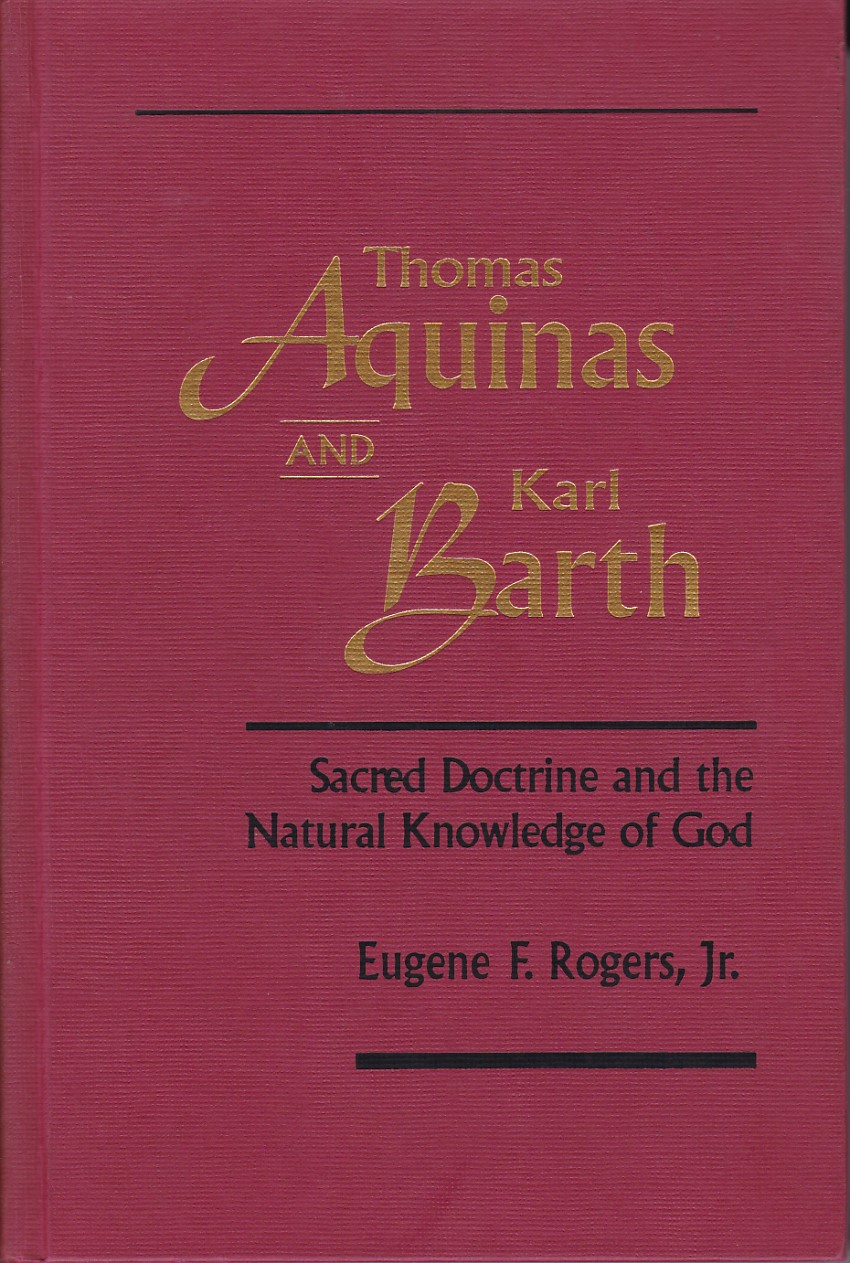
內容簡介
This book is a work of systematic theology that provides a fresh interpretation of Aquinas on the nature of theology, and uncovers and explores theological affinities between Aquinas and Protestant theologian Karl Barth.
Eugene F. Rogers, Jr., presents a challenge to contemporary Catholic thought and contributes to a paradigm shift in Thomas interpretation with this groundbreaking book: He provides a fresh interpretation of Aquinas on the nature of theology and uncovers and explores theological affinities between Aquinas and Protestant theologian Karl Barth. As an overture to contemporary Protestant thought, he seeks to overcome prejudices about Thomas's commitments to Scripture and the centrality of Jesus Christ, and does so in part by turning to Aquinas's commentary on Romans -- a crucial work never before translated or treated at length in English.
CONTENTS
PREFACE ACKNOWLEDGEMENTS AND DISCLAIMERS
AUTHOR'S NOTE
Chapter 1— Three Audiences and Two Agendas
PART I— SACRED DOCTRINE IS SCIENTIA": A HYPOTHESIS ELABORATED AND A PARTIAL TEST PREPARED
Chapter 2— "Sacred Doctrine is Scientia": A Reading of Question 1
Hypothesis Elaborated
The More Aristotelian...
Integrity Lost
The More Scriptural
The More Christoform
PART II— A PARTIAL TEST: THE THEOLOGICAL CONTEXT OF THE NATURAL KNOWLEDGE OF GOD IN THOMAS'S COMMENTARY ON ROMANS
Chapter 3— The Identity of Paul in the Prologue to Thomas's Commentaries on His Epistles: Election, Vocation, Inspiration
Barth's Question
Election as Introduction
The Formation
The Filling Up: The Matter of Election is Jesus Christ
The Use: Election as Providence and Vocation
Fruit: Election as Usefulness, Non-election Apparent Unusefulness
Election and Biblical Inspiration
Chapter 4— Thomas's Commentary on Romans 1:1–16: The Gospel Grace of Christ, the Example of Paul, and the Structure of the Text
"The Power of Gospel Grace"
The Power of Gospel Grace is Christ's
Paul as Implicit Example of "The Power of Gospel Grace"
The Nesting Structure of Governing Assertions in Romans 1
"Salvation is from the Jews"
Chapter 5— Thomas's Commentary on Romans 1:17–25
The Just Shall Live by Faith"
"Who Detain the Truth of God in Injustice"
Those Who Have the True Cognition of God—and Lack It
The Natural Cognition of God in Its Immediate Textual Context
Preliminary Conditions on the Natural Cognition of God
From Notum to Cognoscibile
The Positive Claim of the Natural Cognition of God
The Demonstration of God's Cosmological Claim
Transition to a Trinitarian Cognition of God
A Trinitarian Natural Cognition of God Perfected by Faith
Cognitio Detenta and Scientia Subtracta
What Thomas Means by "Theologia Naturalis"
Chapter 6— Conclusions about the Natural Cognition of God from Thomas's Romans Commentary
Excursus: The Romans Commentary and the Threefold Division of Faith
PART III— A FURTHER OBJECTION ANSWERED AND THE SIGNIFICANCE OF THE HYPOTHESIS ASSESSED: THOMAS AND BARTH
Chapter 7— Thomas and Barth
A Thomistic Objection and Thomas's Possible Reply
A Barthian Objection and Thomas's Reconstructed Reply
Assessment and Significance of the Hypothesis: Thomas and Barth in Convergence on Romans 1?
Epilogue— The Common Thomas of Barth and Vatican I
NOTES
Notes to the Preface
Notes to Chapter One
Notes to Chapter Two
Notes to Chapter 3
Notes to Chapter 4
Notes to Chapter 5
Notes to Chapter 6
Notes to Chapter 7
Notes to the Epilogue
INDEX
延伸連結
版本資訊
- Jr.・1995-01-01・248 頁ISBN13 9780268018894、STORE 0268018898print HKD 2280