 屬靈共同書目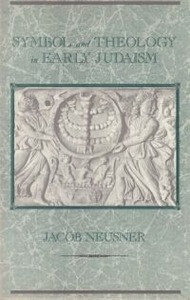
內容簡介
In the fifth and sixth centuries C.E., a new mode of talking about God took shape, both in synagogue art and in rabbinic writing. This new approach appealed not to propositional but to symbolic modes of discourse. In symbolic discourse attitudes and emotions rather than proposition are conveyed and evoked: faith as confidence in God rather than faith as the statement of truth about God. In Judaism, a mode of communication evolved that combined and recombined various symbols to make normative theological statements. Neusner analyzes those symbols, both iconic and literary, showing how both were meant t elicit right attitudes and approved emotions in the meeting with God. Includes important appendixes on Max Kadushin's reflections on the rabbinic canon and E.R. Goodenough's collection of synagogue art.
延伸連結
版本資訊
- Fortress Press・1991-10-01・263 頁ISBN10 0800624564、ISBN13 9780800624569、STORE 0800624564print HKD 238